



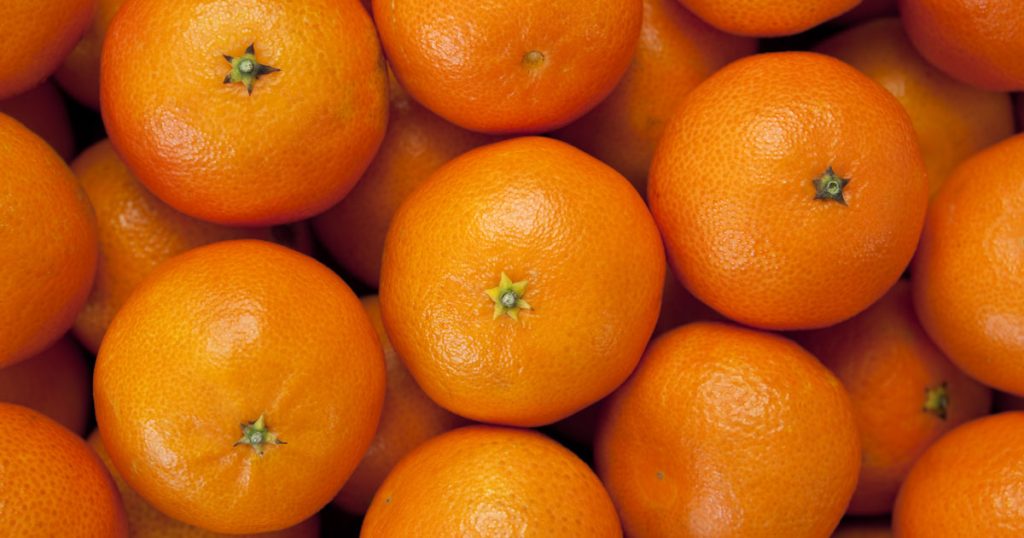
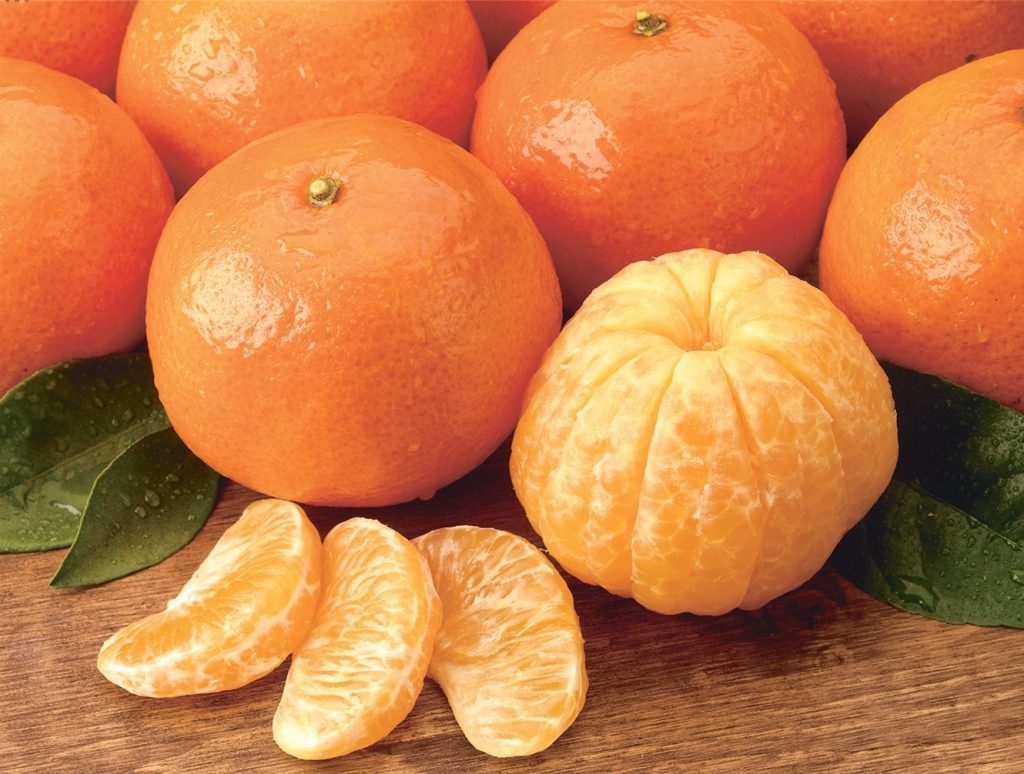
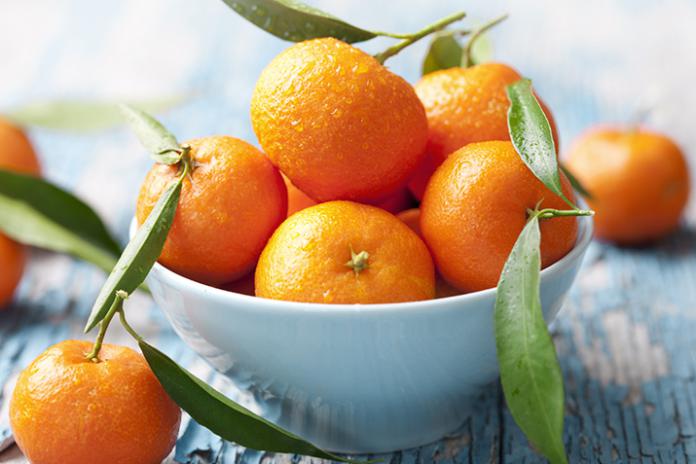
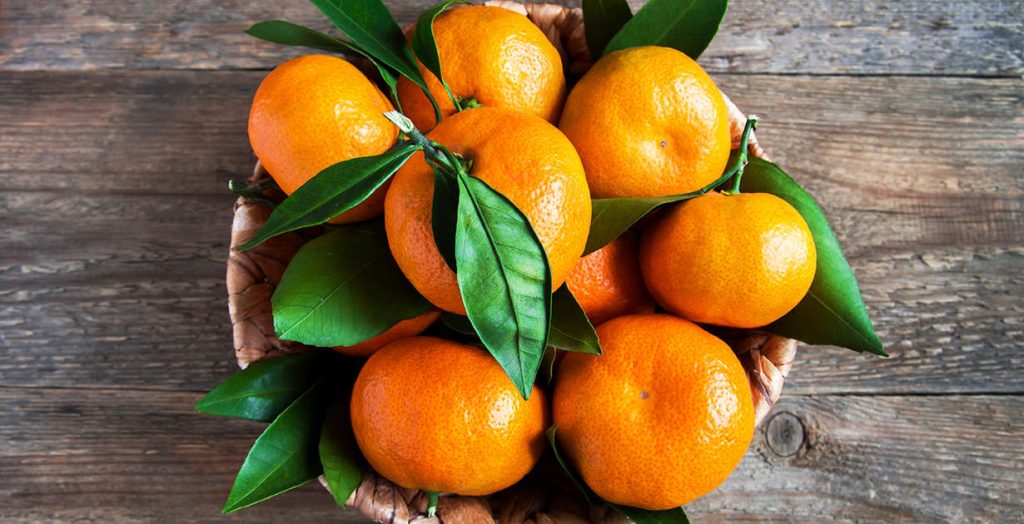
Mandarins are a delicious and popular citrus fruit known for their sweet and juicy flavor, attracting many fans worldwide. Rich in vitamins and minerals, mandarins are recognized as an excellent source of vitamin C and are especially beneficial for boosting the immune system during the winter season. As one of the major mandarin producers in the region, Iran has significant capacity for exporting this valuable fruit. This text will explore various aspects of mandarin export from Iran.
| Product Name | Mandarin |
|---|---|
| Storage Conditions | Cool and dry |
| Packaging Type | Plastic basket |
Mandarins, with their unique features such as thin and easy-to-peel skin, pleasant taste, and high nutritional value, consistently attract consumers in various markets. Producing countries like Iran, China, Spain, and Egypt play a significant role in meeting global demands, and exporting this fruit requires adherence to international standards and meticulous management throughout all stages of production and distribution.
Production and Harvesting:
Iran, with its suitable climate and fertile soils, is one of the main centers for mandarin production globally. The provinces of Mazandaran, Gilan, Fars, and Hormozgan are major mandarin-producing regions in Iran. Harvesting mandarins at the right time and with great care ensures that the fruit reaches consumers in the best possible condition. Choosing the right time for harvesting is crucial, as under-ripe or over-ripe mandarins can affect the quality of the product.
Packaging and Transport:
After harvesting, mandarins are carefully washed, sorted, and packaged. Proper and durable packaging helps maintain the freshness and quality of the fruit during transport. The use of temperature and humidity-controlled containers plays a crucial role in preventing spoilage and damage to the fruit. Accurate labeling and preparation of necessary documentation for customs clearance are also essential components of this process.
Health Benefits and Market Demand:
Mandarins are recognized as a fruit rich in vitamin C, antioxidants, fiber, and potassium. Consuming mandarins supports immune system function, improves cardiovascular health, reduces inflammation, and aids digestion. Due to these benefits, global demand for mandarins is increasing, and this fruit holds a special place as a healthy and delicious snack in people’s diets.
Economic Impact:
Mandarin exports play a significant role in the agricultural economies of producing countries. This process creates many job opportunities in production, packaging, transport, and sales sectors. Revenue from mandarin exports helps improve the economic situation of farmers and supports rural development. Additionally, promoting sustainable agricultural practices and preserving natural resources are other advantages of this industry.
Challenges and Opportunities:
Mandarin exports face challenges such as maintaining quality during long transportation, adhering to sanitary regulations and international standards, and competing with other producing countries. However, leveraging modern technologies in agriculture, packaging, and transport, as well as effective marketing strategies, can help increase Iran’s share in global markets.
Conclusion:
Given the economic and health benefits of mandarins, focusing on improving production and packaging quality, enhancing transport methods, and adhering to international standards can pave the way for greater success for Iran in exporting this valuable product. Utilizing opportunities in global markets and addressing upcoming challenges will contribute to the sustainable development of this industry and increase the country’s foreign exchange revenues.