

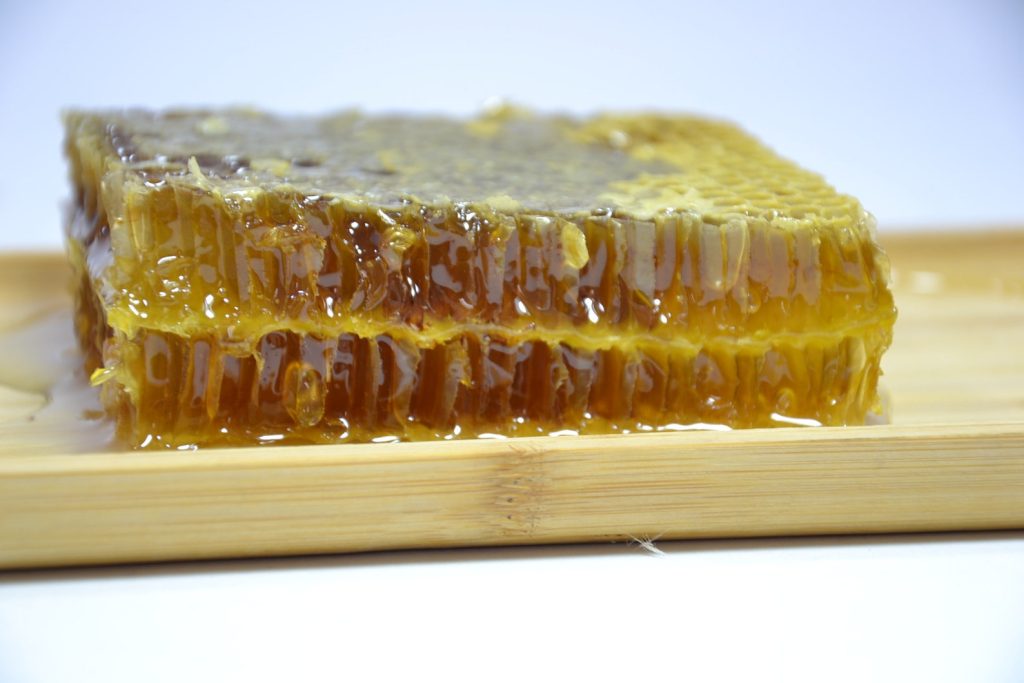
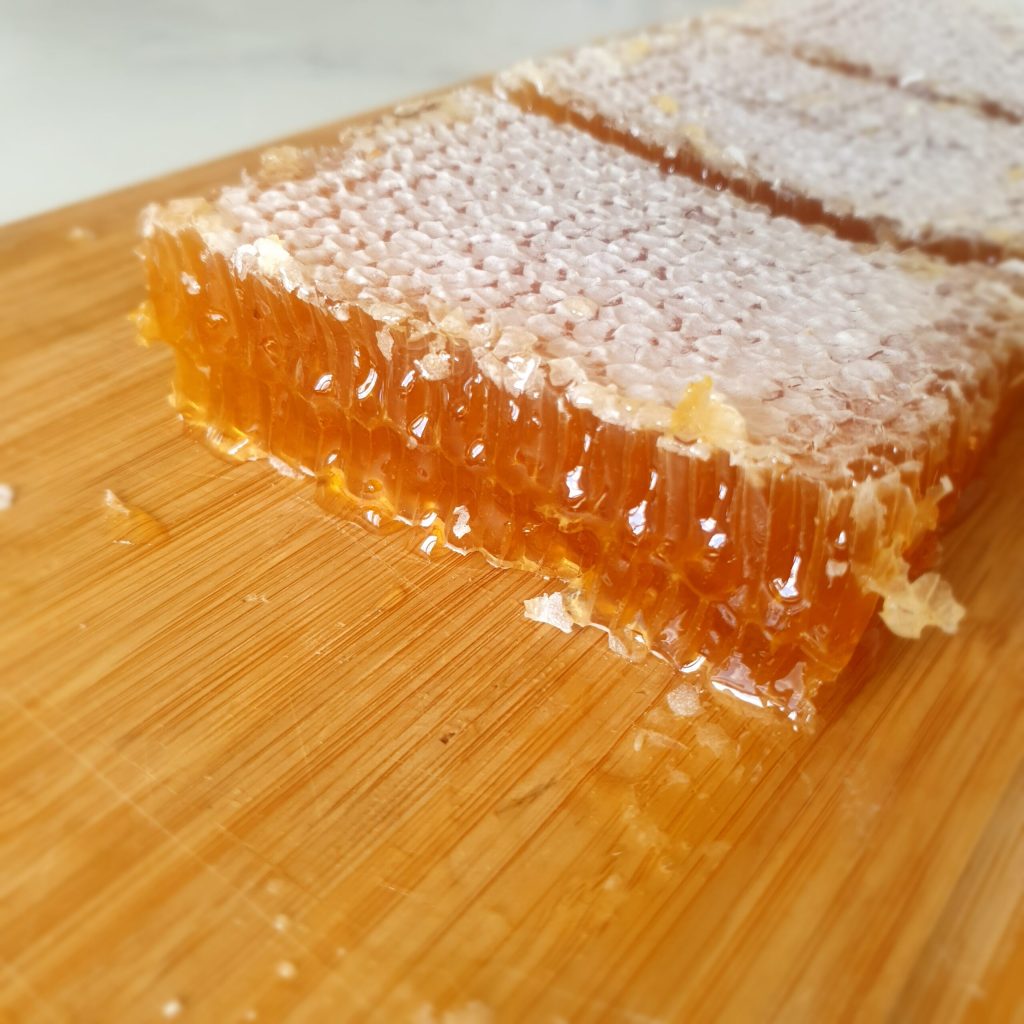
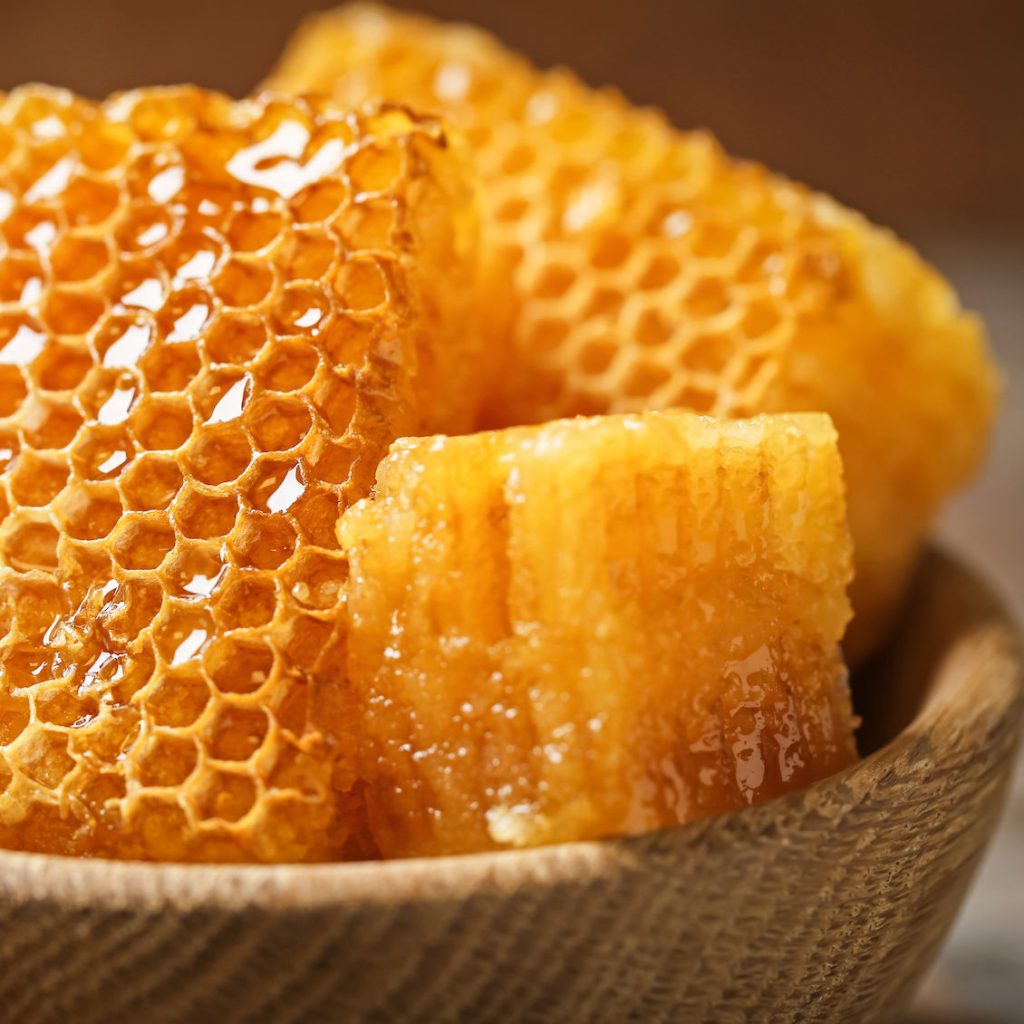
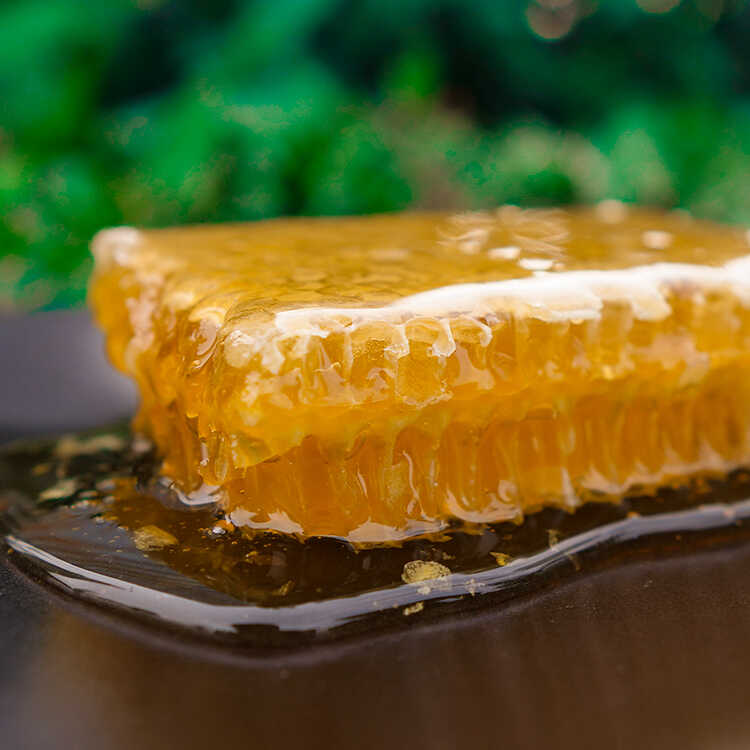
Natural honey is a valuable and popular product in global markets due to its unique nutritional and medicinal properties. Iran, with its high plant diversity and suitable climate, is considered one of the leading producers of natural honey worldwide. Exporting Iranian natural honey not only helps increase the country’s foreign exchange earnings but also promotes the name and quality of Iranian products internationally. This text explores various aspects of the export of natural honey from Iran.
| Product Name | Natural Honey |
|---|---|
| Packaging Type | Plastic |
Description:
Honey Production:
Natural honey production in Iran takes place in various regions of the country, including mountains, forests, and plains, due to the diverse plant life and suitable climatic conditions. Iranian beekeepers use both traditional and modern methods to produce high-quality honey. The process involves honeybees collecting nectar from flowers and converting it into honey in the hives. This natural process, free from chemical interventions, results in honey with high purity and quality.
Processing and Packaging:
After harvesting, the natural honey is transferred to processing units. In these units, the honey is sorted by type and quality and then packaged using hygienic methods. Proper processing and adherence to hygiene standards are crucial to ensure that the final product is of high quality and safe for consumers. Attractive and appropriate packaging is also important; honey is sold in durable and hygienic packages to maintain its quality during transportation and storage.
Health Benefits and Market Demand:
Natural honey has unique health benefits, including boosting the immune system, improving digestion, reducing inflammation, increasing energy, and strengthening the heart. These benefits have led to a high demand for natural honey in global markets. Honey is used as a natural and healthy food ingredient in various desserts, beverages, and dishes, and is also utilized as a medicinal substance in both traditional and modern medicine.
Economic Impact:
The export of natural honey plays a significant role in the country’s economy. This process creates many job opportunities in the production, processing, packaging, and transportation sectors. Revenue from honey exports helps improve the economic status of beekeepers and supports the development of rural areas. Additionally, promoting sustainable beekeeping practices and environmental conservation are other benefits of this industry.
Challenges and Opportunities:
The export of natural honey faces challenges such as climate change, environmental pollution issues, adherence to international standards, and competition with other producing countries. However, utilizing modern technologies in beekeeping, processing, and packaging, along with effective marketing strategies, can help increase Iran’s share in global markets. Focus on research and development, improving production quality, and meeting international standards are key factors in increasing the export of Iranian natural honey.
Conclusion:
Natural honey, as one of Iran’s strategic products, plays a significant role in the country’s economy. Given the economic and health benefits of natural honey, focusing on improving production and packaging quality, enhancing transportation methods, and adhering to international standards can pave the way for greater success in exporting this valuable product. Leveraging global market opportunities and addressing upcoming challenges will contribute to the sustainable development of this industry and increase the country’s foreign exchange earnings.