






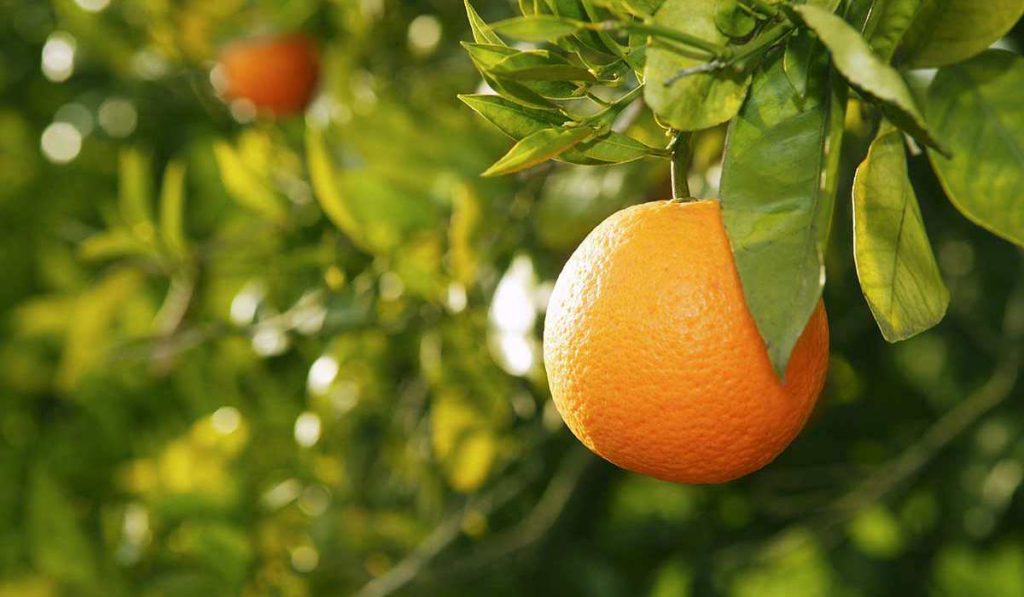
Orange, with its vibrant color, fresh taste, and numerous nutritional benefits, is one of the most popular and widely consumed fruits worldwide. This citrus fruit grows in warm and subtropical climates, making it an important agricultural product in many countries. The global demand for oranges has increased due to their diverse uses—from fresh consumption to juice and various culinary applications. This high demand has made oranges a valuable commodity for export.
| Product Name | Orange |
|---|---|
| Storage Conditions | Cool and dry |
| Packaging Type | Plastic and carton baskets |
Description:
Oranges are highly regarded in international markets due to their delicious taste and health benefits. Major producing countries such as Spain, the United States, Brazil, and China supply a significant portion of the global market. The process of exporting oranges involves various stages, all designed to ensure that the fruit reaches its final destination in the best possible condition.
Quality Control and Harvesting:
The journey of oranges to global markets begins with precise quality control. Only the best varieties, such as Valencia, Navel, and Blood oranges, are selected for export. These varieties are known for their juiciness, sweetness, and strong flavor. Harvesting is done at the peak of ripeness to ensure that the fruit maintains its taste and nutritional properties during transportation.
Packaging and Transportation:
After harvesting, oranges are carefully sorted, cleaned, and graded. They are then packaged in temperature-controlled containers to maintain their freshness. The packaging is designed to prevent damage and provide a controlled environment for long journeys. Proper labeling and documentation for customs clearance and product tracking are also essential.
Market Demand and Health Benefits:
The high demand for oranges in international markets is due to their numerous health benefits. Oranges are rich in Vitamin C, which boosts the immune system, and also contain other nutrients such as fiber, potassium, and antioxidants. These features make oranges highly attractive to health-conscious consumers. Additionally, the versatility of oranges in various products—from juice and marmalade to essential oils and flavorings—further enhances their popularity.
Economic Impact:
The export of oranges significantly benefits the economies of producing countries. This process creates job opportunities in agriculture, packaging, transportation, and sales sectors. The revenue from orange exports supports farmers and local communities and contributes to promoting sustainable agricultural practices.
Challenges and Opportunities:
Despite the lucrative market, orange exports face challenges such as maintaining quality during long transport, adhering to health regulations, and competing with other exporting countries. However, technological advancements in agriculture, better storage methods, and innovative marketing strategies provide new opportunities to overcome these challenges and expand the market.
Conclusion:
Orange export is a dynamic segment of the global fruit trade. With continuous improvements in cultivation, packaging, and transportation techniques, the future of orange export looks promising. Producers and exporters must always pay attention to quality control and market trends to meet growing demand and deliver the freshest and most flavorful oranges to consumers worldwide.