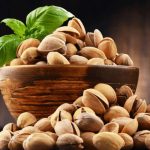
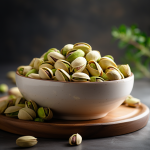
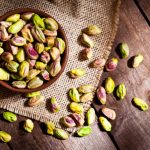
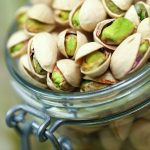
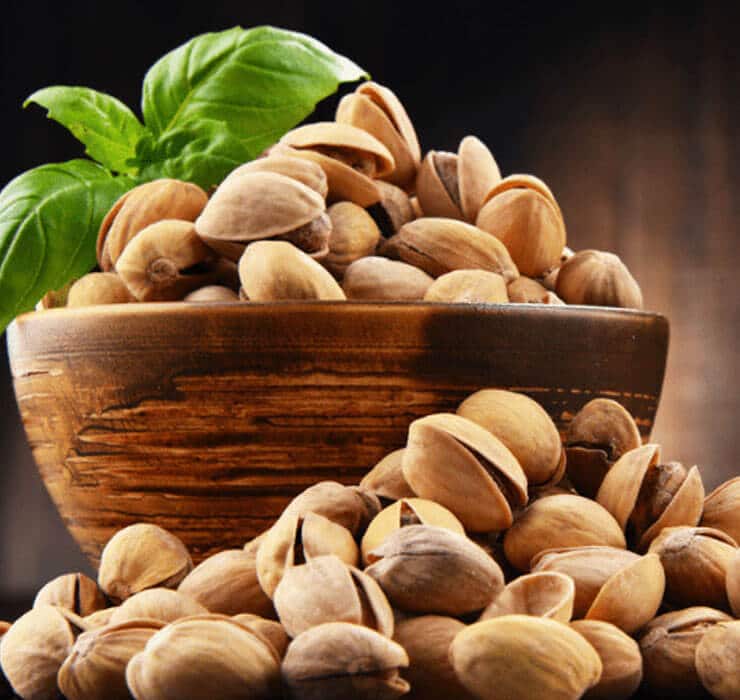
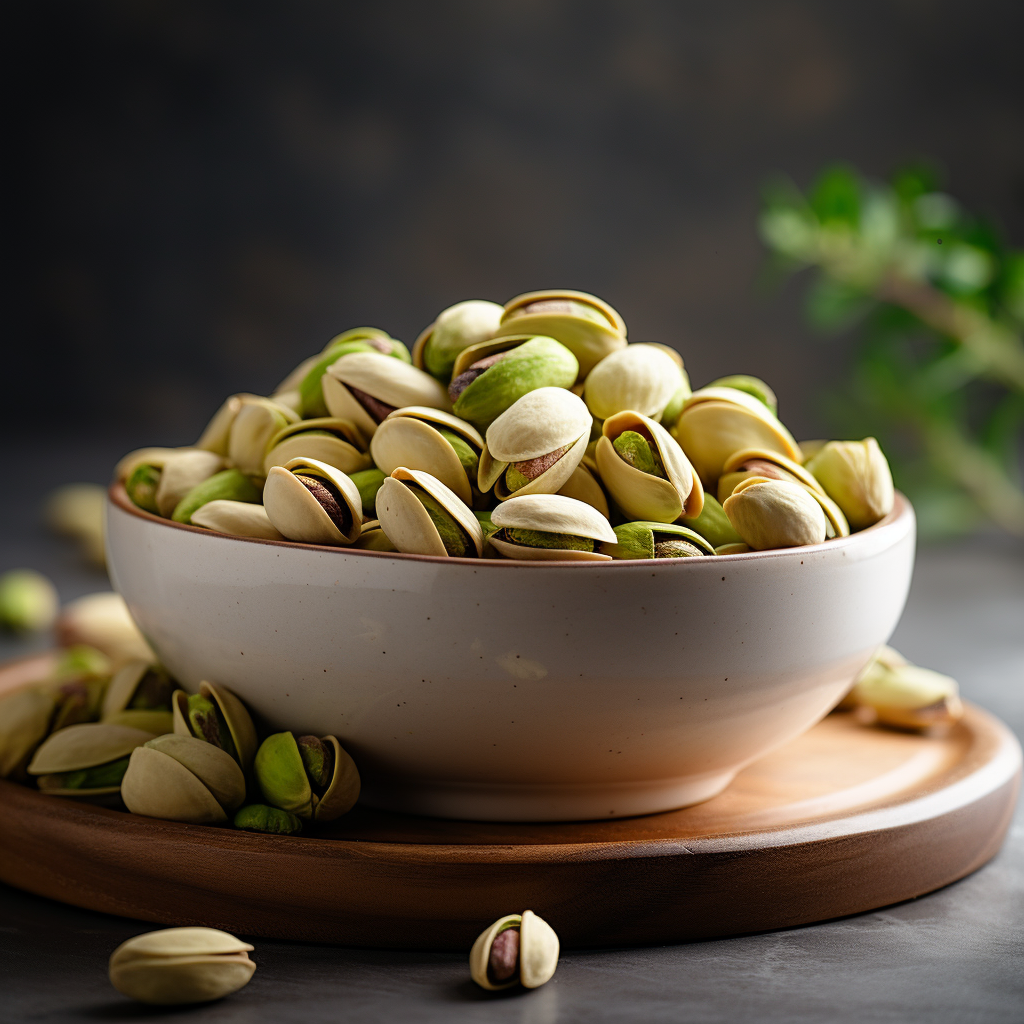
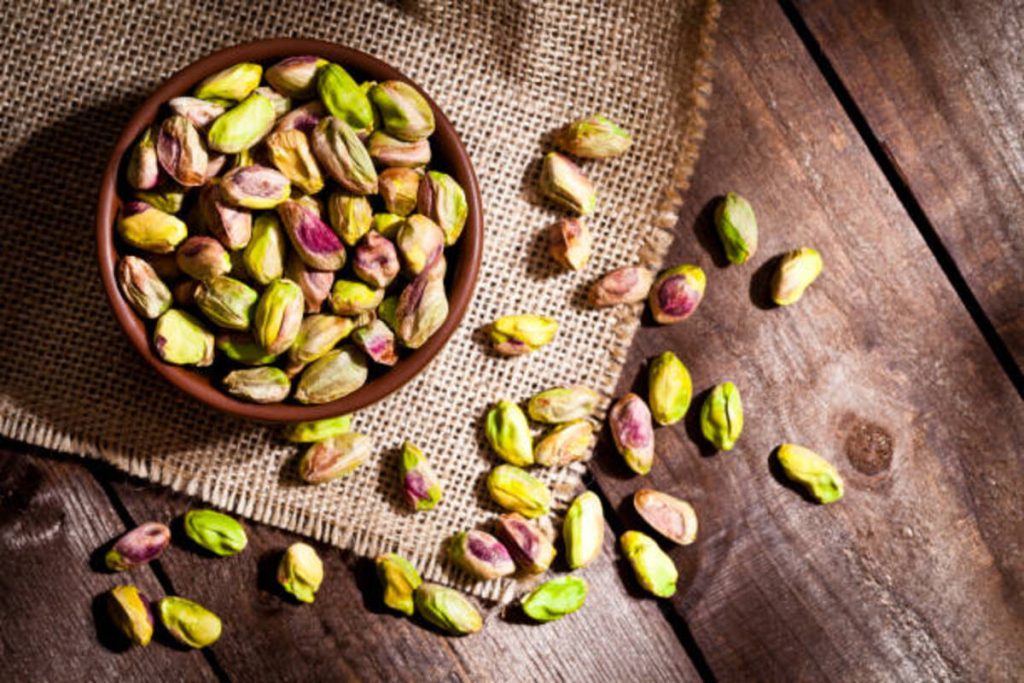
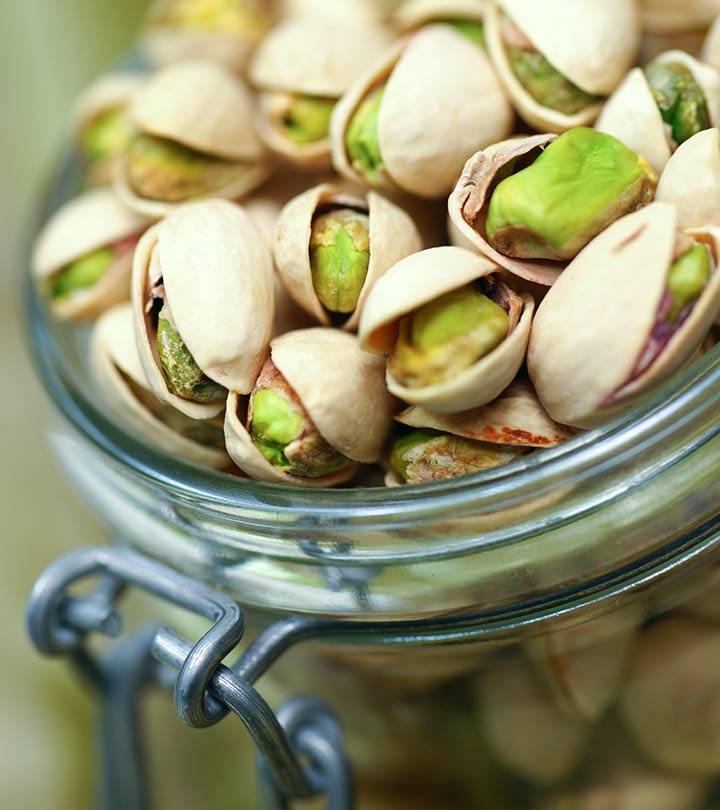
Pistachio is one of Iran’s valuable agricultural products and has long been recognized as a significant source of foreign revenue for the country. As one of the largest producers and exporters of pistachios in the world, Iran holds a major share of the global market. High quality, unique flavor, and numerous nutritional benefits make Iranian pistachios a distinctive product. This text will examine various aspects of pistachio exports from Iran.
| Product Name | Pistachio |
|---|---|
| Packaging Type | Carton Baskets |
Description:
Production and Harvesting:
Pistachios are primarily grown in the dry and semi-dry regions of Iran. Provinces such as Kerman, Yazd, Razavi Khorasan, and Fars are among the main pistachio-producing areas in the country. Farmers use both traditional and modern methods to cultivate pistachio orchards and, during the harvest season, carefully produce high-quality pistachios that meet international standards. After harvesting, pistachios are washed, dried, and prepared for further processing.
Processing and Packaging:
After harvesting, pistachios are transported to processing units where they are washed, shelled, and graded based on size and quality. Proper processing and adherence to hygiene standards are crucial for maintaining the quality of the final product. Packaging is also of great importance. Pistachios are offered in various, durable packages to preserve their quality during transportation and storage.
Health Benefits and Market Demand:
Pistachios are a rich source of protein, fiber, vitamins, and minerals. Consuming pistachios helps improve heart health, reduce cholesterol levels, strengthen the immune system, and increase body energy. Due to these benefits, global demand for pistachios has consistently been high. Pistachios are recognized worldwide as a healthy and nutritious snack and are used in a variety of sweets, desserts, and dishes.
Economic Impact:
Pistachio export plays a significant role in the country’s economy. This process creates numerous job opportunities in production, processing, packaging, and transportation sectors. The revenue from pistachio exports helps improve the economic situation of farmers and supports the development of rural areas. Additionally, promoting sustainable farming practices and conserving natural resources are other benefits of this industry.
Challenges and Opportunities:
Pistachio export faces challenges such as climate change, irrigation issues, adherence to international standards, and competition from other producing countries. However, utilizing modern technologies in agriculture, processing, and packaging, along with effective marketing strategies, can help increase Iran’s market share globally. Attention to research and development, seed improvement, and optimal water resource management are also key factors in boosting production and quality of Iranian pistachios.
Conclusion:
As one of Iran’s strategic products, pistachios play a crucial role in the country’s economy. Given the economic and health benefits of pistachios, focusing on improving production and packaging quality, enhancing transportation methods, and adhering to international standards can pave the way for greater success in exporting this valuable product. Leveraging opportunities in global markets and addressing upcoming challenges will contribute to the sustainable development of this industry and increase the country’s foreign revenue.