





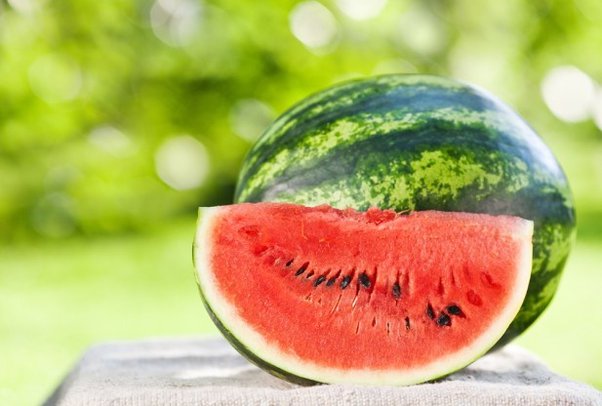
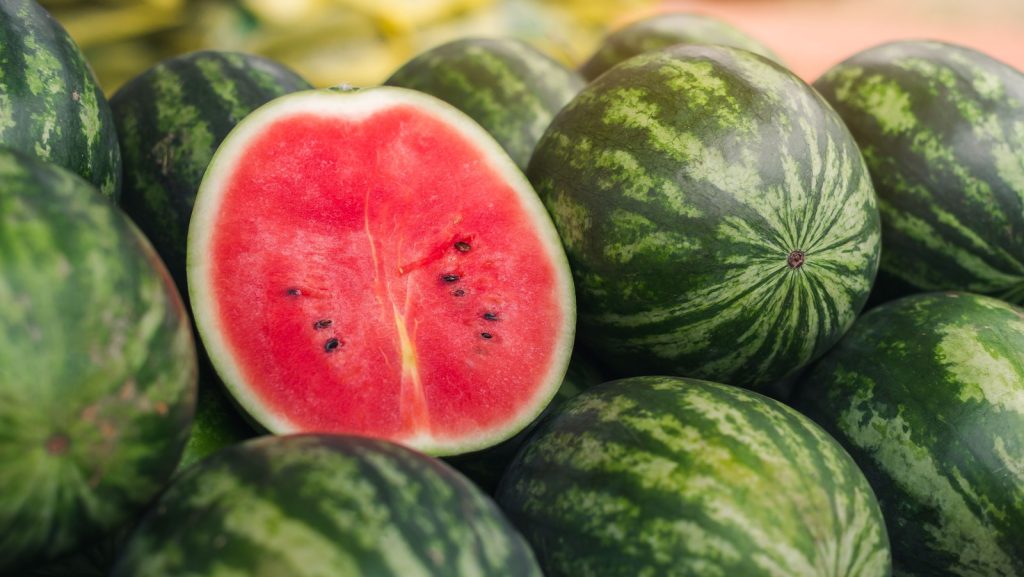
Watermelon is a popular and sought-after fruit in the summer season, valued for its sweet taste, juiciness, and cooling properties, making it a special item in people’s diets. Iran, with its suitable climatic conditions and fertile lands, has become one of the major watermelon producers in the region. Exporting watermelon to various countries offers an opportunity to increase foreign revenue and support the country’s economic development. This text explores various aspects of watermelon export from Iran.
| Product Name | Watermelon |
|---|---|
| Storage Conditions | Cool and dry |
| Packaging Type | Plastic and cardboard baskets |
Description:
Production and Harvesting:
Iran, with its tropical and semi-tropical regions, provides ideal conditions for the cultivation and production of watermelons. Provinces such as Khuzestan, Hormozgan, Fars, Kerman, and Sistan and Baluchestan are major watermelon production areas in Iran. Farmers, by using high-quality seeds, modern irrigation methods, and pest and disease control techniques, produce watermelons with excellent taste and quality. The timing of watermelon harvesting is crucial and must be done at the right moment to ensure that the fruit reaches the market fresh and with optimal flavor.
Packaging and Transportation:
After harvesting, watermelons are washed, sorted, and packaged. Proper packaging using sturdy boxes and containers prevents damage to the product during transportation. Maintaining the appropriate temperature throughout the transportation process is also essential to ensure that the watermelons arrive fresh and of high quality. Using temperature and humidity-controlled containers, as well as proper labeling, plays a key role in preventing spoilage and damage to the product.
Health Benefits and Market Demand:
Watermelon is a rich source of Vitamin C, Vitamin A, lycopene, and water. Consuming watermelon helps boost the immune system, improve heart health, reduce the risk of certain cancers, and maintain body hydration. Due to these benefits, the demand for watermelon in global markets is increasing, and it is used as a key ingredient in salads, juices, and various desserts.
Economic Impact:
Watermelon exports play a significant role in the agricultural economy of countries. This process creates numerous job opportunities in production, packaging, transportation, and sales sectors. The revenue from watermelon exports helps improve the economic conditions of farmers and the development of rural areas. Additionally, promoting sustainable farming practices and conserving natural resources are other benefits of this industry.
Challenges and Opportunities:
Watermelon exports face challenges such as maintaining quality during long transportation, adhering to sanitary regulations and international standards, and competing with other producing countries. However, utilizing modern agricultural technologies, effective packaging and transportation methods, and strategic marketing can help increase Iran’s market share in global markets.
Conclusion:
Given the economic and health benefits of watermelon, focusing on improving production and packaging quality, enhancing transportation methods, and adhering to international standards can contribute to Iran’s success in exporting this valuable product. Leveraging global market opportunities and addressing upcoming challenges will support the sustainable development of this industry and increase the country’s foreign revenue.